
Se-More
/
Se-More
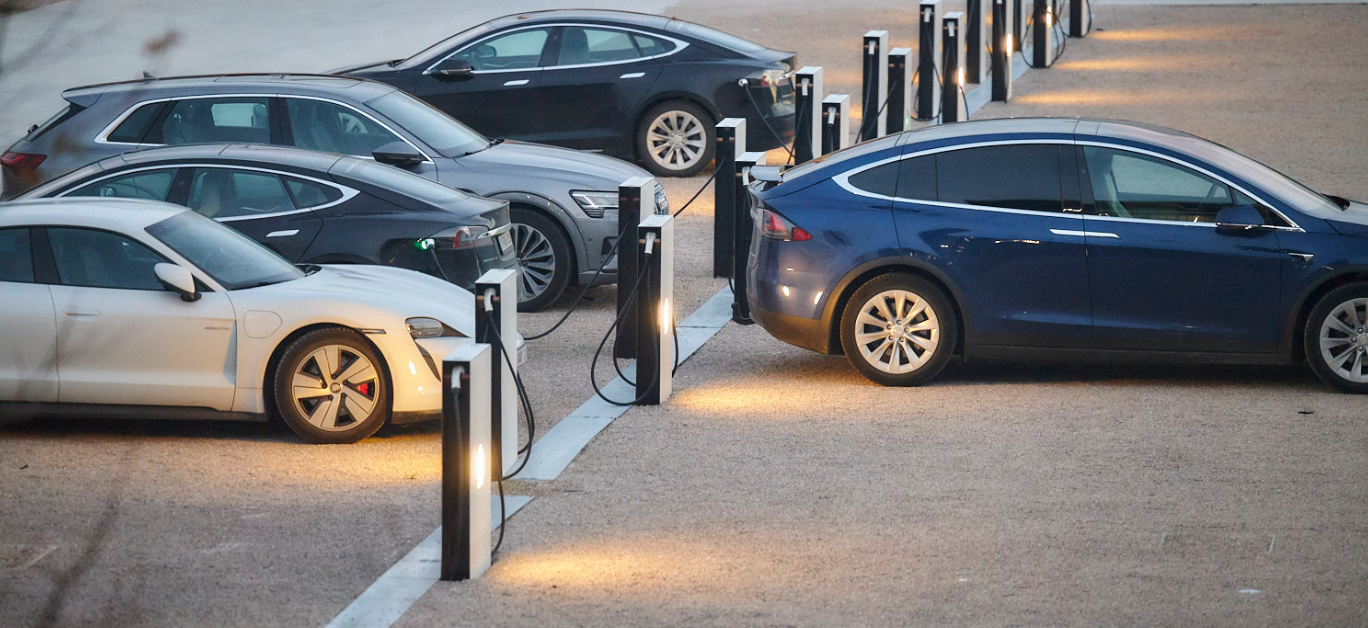
The electrification of vehicles is experiencing exponential growth, with charging infrastructure being a crucial building block for the energy transition. Obligations are imposed to implement charging infrastructure, but not all infrastructure is sufficiently smart and sustainable. If we truly want to have a significant impact on reducing the grid load, which plays an important role in electrification, we must not only make charging squares and charging points smart and sustainable but also integrate and communicate them with building management systems through energy management systems.
This project ensures, through multiple generic cases and various feasibility studies, that existing and future technology regarding smart charging is widely disseminated among different target groups: Flemish manufacturers, electrical installers, engineering firms, energy consultants, charge point operators, etc. The aim is for smart charging not to be limited to a small group of parties who know and can implement the technology. It concerns a new growing market that must be picked up by Flemish companies. Moreover, smart charging plays a significant role in limiting Fluvius's investment costs in the distribution network. Since the project will focus strongly on practical implementation, technology executors and providers will gain more insights and experiences in smart and sustainable charging stations and charging squares through hands-on workshops & demonstrators on the Howest campus as well as at Energyville and concretely developed projects with end customers.
The ultimate goal is for Flemish installers and manufacturers to seize this new growing market.
Main section
Quick facts
/
COOCK project
/
Location: Kortrijk
/
Start: October 2024
/
Duration: 3 years
What is the goal of this project?
It is important not to see the charging stations and charging squares as a separate network; this project extends much further. We must also demonstrate that integration and communication with local buildings, where energy consumption, storage, and generation are present, can significantly contribute to reducing peak loads and grid congestion. Data such as charging profiles, planning/calendars will teach us to participate in this and, for example, prioritize certain profiles in their business or their visiting customers. With the necessary data at hand, CPOs can share information about customers among themselves and establish user profiles. We will demonstrate this through multiplegeneric caseswill be developed in companies. The various cases will provide us with a lot of data, giving us more insight into the impact of smart and sustainable charging on the network (concurrency). Which generic cases will be developed is part of thevarious feasibility studiessupplied by the steering group. One case will focus more on infrastructure, while the other aims to highlight the software aspect. The knowledge absorbed from the feasibility studies can also be widely disseminated to the target audience. In this project, we want to innovate beyond classic video or e-learning modules, networking events, etc., by creating podcasts that address the theme of electric mobility and the challenges surrounding it. This way, you can also reach the busy installer in an attractive manner during a car ride. In addition to podcasts, social media channels will also target a broad audience. Once they get to know the project in this way, we can activate them to follow the other activities within this project. Since the involved target group includes both technology providers and technology implementers, a broad picture can be obtained of the specific needs and challenges regarding smart and sustainable charging. The insights, market knowledge, and technical and practical knowledge gained through the cases achieved in this project will allow both target groups to respond more effectively to the current and future needs of end users and adjust their business activities towards new business models that become relevant through smart energy management.
What is the role of Howest?
In this project, collective actions are carried out on one hand, as well as specific concrete entrepreneurial projects related to smart charging are initiated.
Collective actions: generic cases, workshops, articles, digital newsletters, podcast sessions, networking events, e-learning module.
Entrepreneur-specific projects: by both tech providers and implementers around smart charging + advice, training, exploration, and integration.
Bottom section
Contributors
Researchers
/
Bjorn Delarue, Netwerker - Onderzoeker
Want to know more about our team?
Visit the team page